Tannenbart is one of the more intriguing recent additions to the Dutch underground Black/Folk Metal scene. The band originates from Gelderland, Netherlands, was formed in 2021 and describes its music not simply as Black Metal or Folk Metal, but as ‘Ruraal Metaal’ (Rural Metal), emphasizing folklore, countryside life, hunting traditions, peasant culture and the atmosphere of the Dutch rural landscape.
The current line-up consists of: Grovebast , bass/(rumbling & fuss); Voerman K. , guitars/(plucking & strumming); Berckenpruyck , drums and vocals/(drumming & shouting) and all three have connections to other notable Dutch underground acts, especially members linked to Wederganger, Mondvolland, Bezwering, Gevlerkt and :Nodfyr:.
Their earliest known release was a promotional demo from 2022, which introduced the band’s blend of Black Metal aggression and folk-inspired rural atmosphere.
The self-titled debut album appeared on 7 February 2025 through New Era Productions (vinyl, limited to 200 copies) and Katuil Producties (cassette). The album comprises six tracks. The band states that the album was ‘forged in Arie’s Vieze Hut’ during November 2024 and recorded during Midwinter 2024. The music is tagged as Black Metal, Folk Metal, Pagan Metal and Ruraal Metaal.
Their second full-length was released on 2 October 2026, again through New Era Productions. The album expands the rural concept even further. The record features guest musicians and a choir called De Heemschutters, further increasing the folk element.
Tannenbart’s music differs from many contemporary Dutch Black Metal bands by focusing less on occultism or urban decadence and more on rural folklore, old country traditions, hunting culture, forests, marshlands, autumn landscapes and peasant life. The song titles alone evoke a very specific Dutch countryside atmosphere.
Tannenbart belongs to the growing Dutch underground tradition of bands that explore local culture and landscape through Black Metal. Alongside acts such as Duindwaler, Mondvolland, Wederganger, Bezwering and FIR, they contribute to a distinctly Dutch interpretation of atmospheric and folk-infused Black Metal, rooted in regional history and folklore rather than Scandinavian imitation.
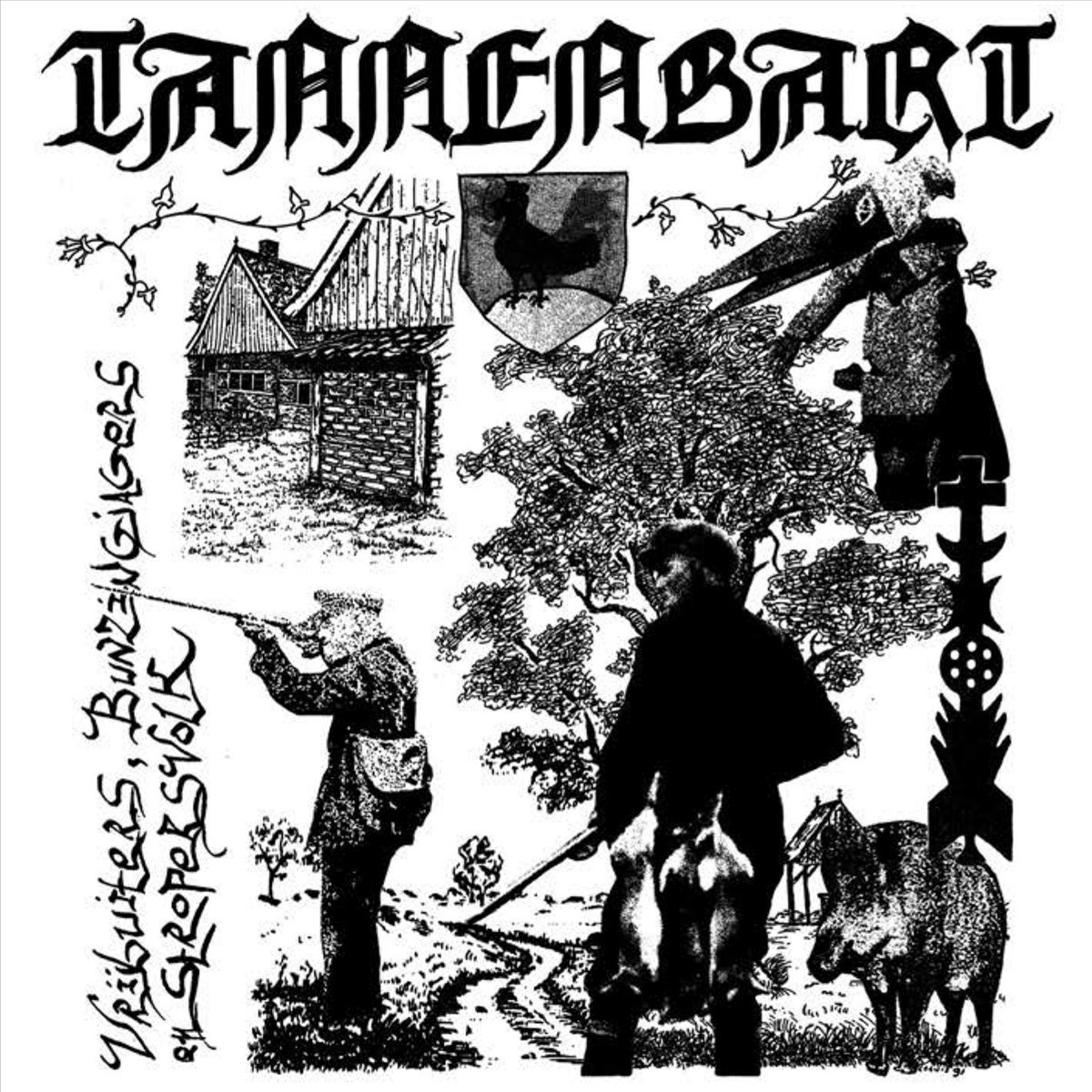
With ‘Vrijbuiters, bunzingjagers en stropersvolk’, Dutch trio Tannenbart delivers one of the most distinctive folkloric Black Metal records to emerge from the Low Countries in recent years. Rather than looking northward toward familiar Viking romanticism or relying on generic Pagan Metal tropes, the Gelderland-based group digs deeply into the greasy soil beneath its own feet, unearthing forgotten rural traditions, poachers’ tales, local folklore and the rough-edged lives of outsiders who once roamed the Dutch countryside. The result is an album that feels less like a collection of songs and more like a weathered chronicle recovered from a damp farmhouse attic, stained with ale, peat, woodsmoke and generations of oral history.
Musically, the band occupies a curious and highly appealing space between Black Metal, dark folk and rustic pagan music. Raw, rasping guitars weave through the compositions like tangled hedgerows, while acoustic passages, choral interjections, whistles and folk melodies emerge naturally from the undergrowth. There is an intentionally untamed quality to the material. Tannenbart has little interest in technical perfection or polished grandeur. Instead, the album thrives on spontaneity, atmosphere and character. The songs often seem to wander rather than march, following ancient footpaths through forests and heathlands rather than modern roads.
The opening stretch immediately establishes this identity. Black Metal fury collides with earthy folk instrumentation, creating a musical language that feels both unruly and inviting. At times the spirit of early pagan Black Metal lingers in the background, yet the record never sounds nostalgic or derivative. Its personality is far too strong for that. What truly distinguishes the album is how naturally its folkloric elements are woven into the Black Metal framework. Nothing feels decorative or artificially attached. Every shout, every melody, every eccentric detour seems rooted in the world that the band is trying to evoke.
There is also a remarkable sense of place throughout the record. The imagery conjured by the music is intensely local: frost-covered field edges, dark woodland paths, forgotten farms, wandering hunters, smugglers, poachers and villagers living beyond the reach of official authority. While many contemporary Black Metal acts proclaim connections to folklore, Tannenbart makes those connections tangible. The album feels inhabited by real people rather than mythical archetypes, granting it an authenticity that is increasingly rare within the genre.
Yet despite its rustic charm, ‘Vrijbuiters, bunzingjagers en stropersvolk’ never descends into mere folk whimsy. Beneath its playful eccentricities lurks a harsher, darker current. The abrasive vocal performance, rough production and persistent Black Metal undercurrent ensure that the album remains firmly rooted in the underground. The warmth of its folk elements is constantly offset by an atmosphere of isolation, melancholy and wilderness. It captures the feeling of celebrating around a fire while knowing that beyond the glow lies an endless darkness stretching across the fields and forests.
What ultimately makes the album so vivacious is its refusal to conform. It is strange, stubborn, often unpredictable and entirely comfortable with its own idiosyncrasies. Tannenbart has created a work that honors Dutch rural heritage without becoming a museum piece and embraces Black Metal traditions without becoming trapped by them. The record stands as a vivid expression of regional identity, transforming countryside folklore into something alive, unruly and unexpectedly captivating. In an era when much of the genre seems increasingly standardized, ‘Vrijbuiters, bunzingjagers en stropersvolk’ feels refreshingly individual: a drunken procession of vagabonds, hunters and woodland spirits stumbling through the mist while carrying the banner of ‘Ruraal Metaal’ with unmistakable conviction.
Fans of Isengard, Kwade Droes, Wapentake, older Lugubrum from Belgium, Bezwering, Wederganger, Urfaust, Zwartplaag, Drudkh and other peasant clay stompers need to check out Tannenbart!
