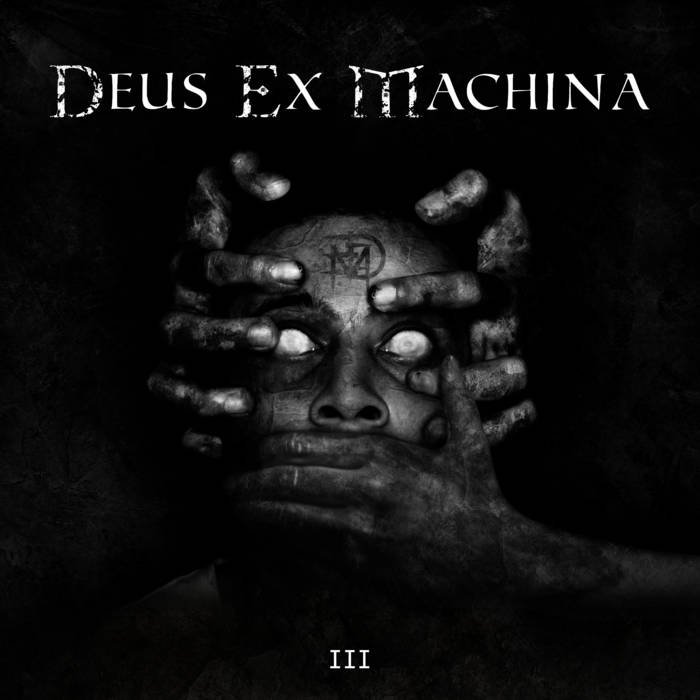
Deus Ex Machina have been part of Singapore’s metal landscape since 2004, and one thing that has always separated them from many other bands here is that they never seemed interested in keeping their music confined to one particular style. Death Metal and Thrash form the foundation, but melodic, progressive and traditional heavy metal influences have always found their way into the songwriting. On ‘III’, all of those elements come together in a way that feels confident and properly developed.
The first thing that really grabs attention is the guitar work. Prashant Ryan Joseph is an experienced player, and his technical ability is all over this record. There are plenty of fast runs, intricate passages, melodic lines and changes in phrasing, but what makes the playing impressive is that it doesn’t feel like Ryan is simply looking for opportunities to show how many notes he can play. His playing is actually part of the songwriting.
‘Ignition’ is a good example. The guitars come in with aggression, but there is already plenty of movement and melody within the riffing. Ryan has a very precise approach to the instrument, and you can hear the control in the way the faster sections are handled. There is speed, but there is also clarity, and that makes the guitar work much easier to appreciate.
‘Halt’ leans more heavily towards Thrash, with the riffs pushing forward at a quicker pace. The two guitarists work well together, but Ryan’s technical edge gives some of the passages an extra dimension. There are moments where the guitars move from straightforward riffing into more elaborate runs without the transition feeling forced.
That becomes even more obvious on ‘As Is’. The longer arrangement gives Ryan more room to stretch out, and this is where the progressive side of Deus Ex Machina really starts showing itself. The guitar work can become quite intricate, but the song never feels like it has been written around a guitar lesson. There is still a strong sense of structure underneath everything.
That balance is important because technical playing can sometimes suck the life out of Extreme Metal. Here, it does the opposite. Ryan’s playing gives the songs more colour and keeps your ears moving around the arrangement. You can listen to the album casually and enjoy the riffs, or sit down and pay closer attention to the guitar work and discover quite a bit more happening underneath.
Herman Rzar Lee’s contribution also deserves credit. The two guitarists give the album a much fuller sound, and the guitars aren’t simply sitting on top of the rhythm section. They are constantly interacting with it. There are melodic passages, heavier riffing and more technical sections, all working together without making the album sound cluttered.
‘Eyes Wide Shut’ brings the heavier side back into focus after the short ‘Intermission’, while ‘The Sands Of Time’ gives the guitars another opportunity to shine. There is a strong melodic Death Metal flavour running through parts of the song, but the underlying heaviness keeps it firmly rooted in the band’s Extreme Metal identity.
‘Visions Blind’ is probably where the more progressive elements are most obvious. It is one of the longer pieces and gives the band room to move between different ideas. Ryan’s guitar work is particularly noticeable here, with the technical passages fitting naturally into the larger arrangement rather than interrupting it.
That is probably the biggest strength of ‘III’. Deus Ex Machina have musicians who are capable of playing technically demanding material, but they don’t allow the technical side to become the entire point of the record.
Vivek Govind’s vocals provide the necessary aggression and contrast against the guitars. His delivery gives the heavier passages their bite while allowing the instrumental work to remain prominent. Jussi Ahokas provides a solid bass foundation underneath everything, while Neil Halliday’s drumming keeps the changes in pace and direction under control.
The production also works in the band’s favour. The guitars have enough clarity for Ryan’s playing to be appreciated without the sound becoming sterile, while the drums retain enough punch to keep the heavier sections moving. The vocals sit comfortably in the mix and the bass gives the overall sound some weight.
There is plenty here for someone who simply wants a good Death/Thrash album, but ‘III’ rewards anyone willing to listen a little closer. The technical guitar work, melodic passages and progressive touches give the album considerably more depth than a straightforward Death Metal release.
And that’s what Deus Ex Machina have always done well. They take the heavier styles they obviously love and add their own musical personality instead of simply reproducing what has already been done.
For a Singapore band, ‘III’ is a strong release from musicians who clearly know their instruments and, more importantly, know how to use them in service of the songs. Ryan’s technical prowess is a major part of that identity, but it works because the riffs and arrangements are strong enough to stand on their own.
After all these years, Deus Ex Machina still sound like Deus Ex Machina. No gimmicks, no need to follow whatever is fashionable and no attempt to squeeze themselves into a convenient little box. Just a good Singapore Metal band doing things their own way.
A solid piece of Singapore Metal from a band that has always marched to its own beat.