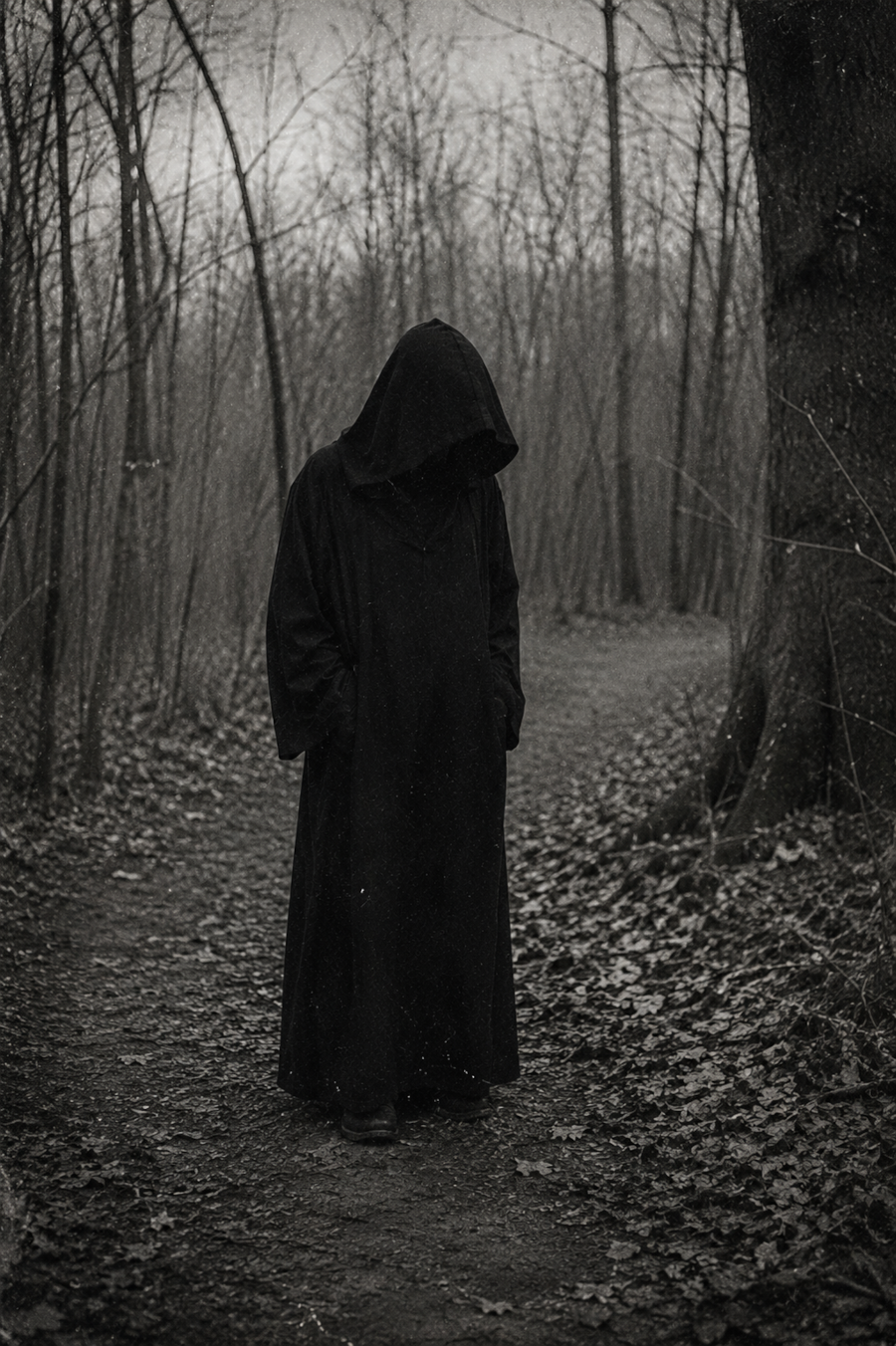
Although the Dutch Black Metal scene does not enjoy the same reputation as the Death Metal scene, plenty of acts stubbornly, in a good way, continue to release quality material. The Nameless Shrine is one of these. Anonymity is chosen to keep the focus entirely on the music, and the work well and truly deserves that spotlight.
The Nameless Shrine, a name that shrouds a place in mists, elevating it to mythical proportions. Please introduce this dark entity to our readers, and what plans and destinations do you, Zharuul of the Forbidden Spheres, have in mind for The Nameless Shrine?
The Nameless Shrine is an attempt to create something that exists outside a clearly defined time, place or belief system. A shrine suggests devotion, mystery and ritual, but by leaving it nameless, it is no longer connected to one particular religion or tradition. It could have existed thousands of years ago, somewhere forgotten beneath the earth, or perhaps only in the imagination.
Musically, the project grew from my fascination with the darker and more ritualistic side of Black Metal, with the early Greek scene as an important influence. But the intention has never been to recreate the past. Occultism, forgotten traditions and old horror cinema are equally important elements in shaping the atmosphere.
It is fair to say that, given your track record, you can be called a veteran within the Dutch Black Metal scene. What keeps the unholy fire burning after all these years, and what musical avenues does The Nameless Shrine offer that you cannot explore in your other projects?
I have been involved in music for a long time, but I have never really thought of myself as a veteran. I simply never lost the urge to create. The reasons for making music may have changed over the years, but that need to turn certain ideas, atmospheres and obsessions into sound is still there.
The Nameless Shrine gives me a very specific space that my other projects do not. Here I can explore the ritualistic, occult and mysterious side of Black Metal much further. The bass can take a dominant role, while organs, percussion, samples and other elements can appear whenever they strengthen the atmosphere. There are fewer boundaries.
That freedom is probably what keeps the fire burning in general. I have no interest in repeating something simply because it worked before. With The Nameless Shrine, I can enter a different world entirely and see where it leads.
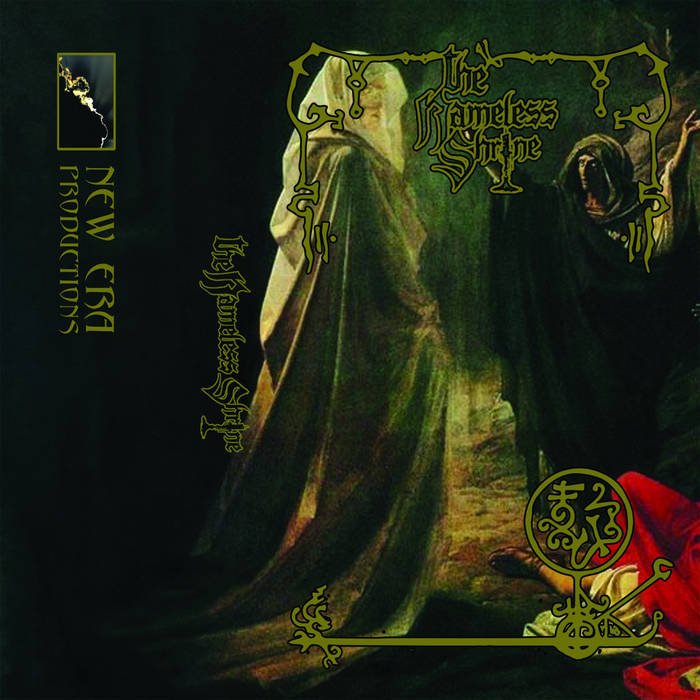
In a short space of time, you have released a 7” split with Necromantic Worship via Wolfkult Religion and a demo tape titled ‘Promo MMXXVI’ via New Era Productions, giving listeners a taste of your Hellenic scene-inspired, occult, atmospheric and hypnotic Black Metal, with Necromantia warranting a special mention. The 7” sold out in no time. How did that feel for you? Were you completely caught off guard, or was it somewhat expected?
The fact that both releases appeared so close together was actually more coincidence than part of a deliberate plan. ‘Promo MMXXVI’ had already been finished before the split came together, and the track that eventually appeared on the 7” was originally intended to be part of that promo. When the opportunity for the split with Necromantic Worship arose, it felt like a much better destination for that particular track. That is why the two releases followed each other so quickly.
As for the 7” selling out so fast, that genuinely surprised me. Of course, Necromantic Worship already has its own following, and Wolfkult Religion knows how to reach the right audience, so I expected there would be interest. But the speed at which it disappeared was certainly beyond what I had anticipated.
For a project that was still very new at that point, it was encouraging to see people connecting with what we were doing. At the same time, I try not to attach too much importance to numbers or how quickly something sells out. The most important thing remains creating music that feels right for The Nameless Shrine.
Building on the previous question, what can you reveal about the upcoming debut full-length, and what can people expect from it?
The debut album is essentially where The Nameless Shrine becomes a complete entity rather than the glimpses people have heard so far. It consists of eight tracks and continues the ritualistic and Hellenic character of the earlier material, but the songs are more developed and the atmosphere is much broader.
The prominent bass, organs and percussion remain important, but we have tried to use those elements where they actually serve the music rather than simply repeating a formula. There are darker, more hypnotic passages, but also moments that are more aggressive and unsettling.
I see the split and ‘Promo MMXXVI’ as opening the doors to the shrine. The album is where you actually step inside. It will be released through New Era Productions later this year.
As you mentioned yourself, you’ve been involved in music for a long time. What do you see as the biggest differences, as a musician, between the early 1990s and today? I can imagine that nowadays it’s much easier to get your music to listeners in one way or another, but that this has also led to the decline of attentive, in-depth listening. On the one hand, you frequently use social media to promote your music and The Nameless Shrine, but on the other hand, are you truly comfortable with that as well? Or is it simply a no-brainer to embrace the available technology and opportunities?
For me, the biggest difference lies in the possibilities for recording music. In the early nineties, studios were often beyond our budget. Besides that, the people working there didn’t always understand what we were trying to achieve musically. We had to work with limited resources to capture something that came reasonably close to what we had in mind. These days, I can record at home and spend much more time developing my ideas. That independence is a huge step forward.
Back then, promotion mainly involved photocopied flyers sent out with demos, correspondence, and contacts with fanzines. The reach was smaller and everything took longer, but there was also something personal about it. You had to make an effort to discover music and establish contacts. That’s why I’m still a strong supporter of printed media, such as flyers and magazines.
Today, distributing your music is much easier, but the same goes for thousands of other musicians. Being accessible doesn’t necessarily mean people actually listen. I do think the sheer volume of releases and the ease of clicking on to something else put attentive listening under pressure. At the same time, there are still plenty of people who really immerse themselves in a record and continue to buy physical releases.
I mainly see social media as a practical tool. I use it because I want to reach people who might connect with our music. That doesn’t mean I’m comfortable with every aspect of it. For me, the music should remain the focus; promotion is a way of getting it to listeners.
Is there anything else you’d like to add, any recent news you’d like to share, or perhaps draw some extra attention to regarding your other musical or music-related projects? Thank you very much for the interview!
First of all, thank you for this interview and for featuring us in your printed newsletter. It’s a great initiative, and we really appreciate being part of it. As someone who still values printed magazines and physical releases, I’m pleased to see people putting time and effort into something like this. Those contributions help keep the underground alive and give bands another way to reach genuinely interested listeners.
I think we have covered most of what matters at this stage. The Nameless Shrine is still a relatively young entity, and I prefer to let the music reveal its identity gradually rather than explain everything behind it.
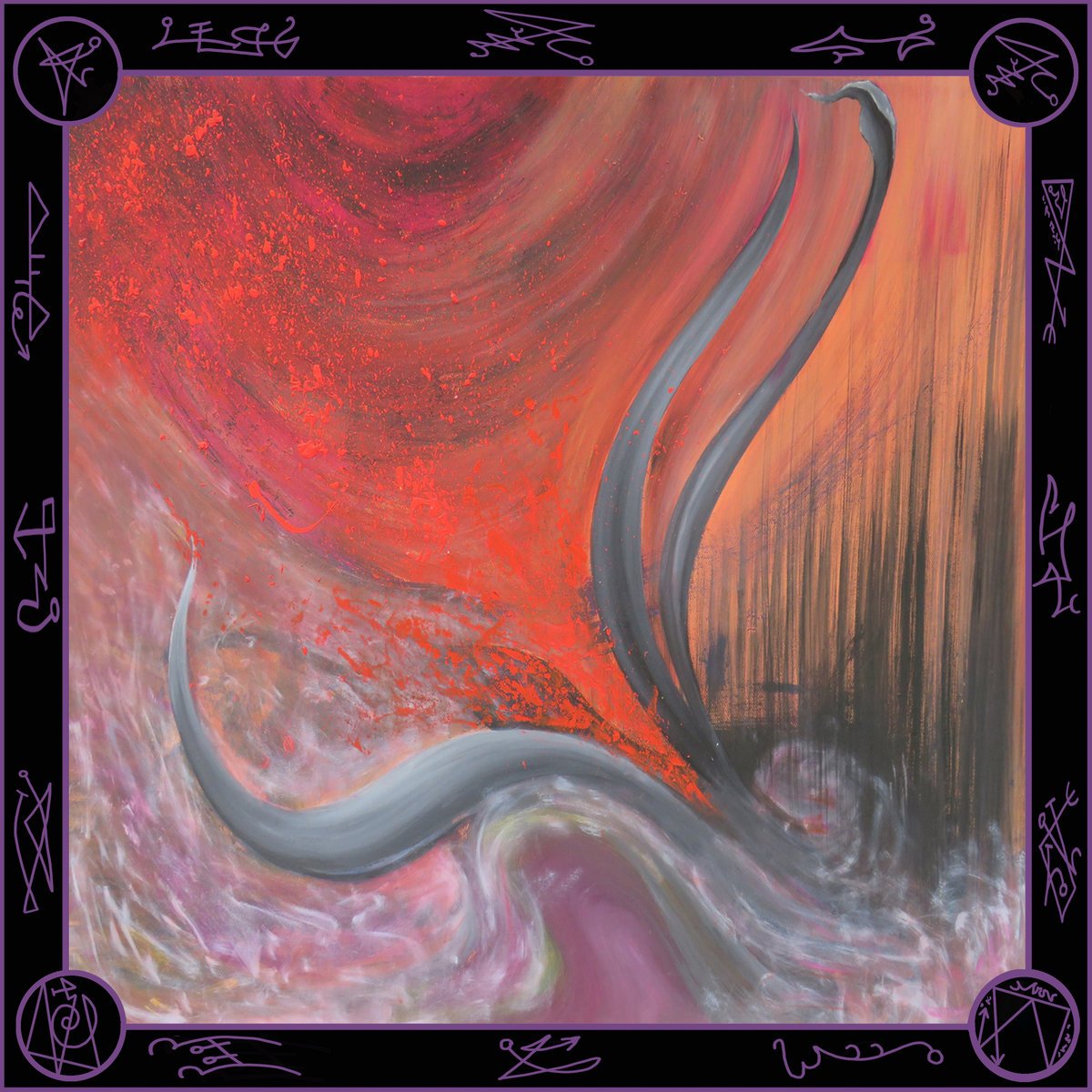
As things stand, our debut album, ‘Through Ashen Circles of Invocation’, is due out this December on LP, CD and tape through a collaboration between New Era Productions and Wolfkult Religion. A separate tape edition will also be released by Halls of Amenti in Chile. The recordings, mixing and mastering are finished, and the artwork was created by Nether Temple Design. We’re looking forward to finally sharing the complete album and seeing all those elements come together in its physical editions.
For now, that is the main news from The Nameless Shrine. Thanks to everyone who has supported us so far, whether by picking up a release, spreading the word or simply taking the time to listen. The doors have only just opened.
