
Armin operates in two overlapping worlds of the underground as the force behind HellThrone Productions and as the driving mind within Nerraka. Both exist inside the same circuit of Southeast Asian extreme metal, where DIY organisation, cross-border collaboration, and constant pressure from outside perception shape how the scene survives and evolves.
HellThrone started as a very hands-on, one-man operation. What gap were you trying to fill in the Singapore and wider Southeast Asian metal scene?
HellThrone started as a very hands-on, one-man operation in 2022. Over the years, I’ve made quite a few friends and contacts around Southeast Asia, so I thought, why not use those connections to do something for the scene? The idea was simple, bring more great ASEAN bands over to Singapore, and at the same time help more Singapore bands get opportunities to play outside the country. I just wanted to help connect the scenes and get more people discovering each other’s bands.
You’ve worked closely with Malaysian and regional bands. How would you compare the Malaysian and Singapore underground circuits in terms of support and sustainability?
I think, ratio-wise, it’s actually quite similar. Every scene has its dedicated supporters and people who are willing to keep it alive. The main difference is that Singapore is a much smaller country, so naturally our crowds are smaller and there are fewer collectors buying physical releases. That makes it a bit tougher to sustain gigs and put out physical merchandise here. Shipping from Singapore to overseas isn’t exactly cheap either, so it’s understandable that collectors from neighbouring countries might not order as much from us.
What do you prioritise when building a roster or putting together a show line-up?
I usually try to give priority to bands that haven’t performed in a while, are coming back from a hiatus, or have just released new material and want to promote it. At the same time, there are also bands that approach me directly asking to play, and if I have a slot available, I’m more than happy to include them.
If you’ve noticed my previous line-ups, they’ve ranged from Metalcore all the way to Brutal Death Metal. I don’t really limit it to a specific subgenre. As long as you’re a metal band, you’re passionate about what you do, and you’re humble and easy to work with, you’re always welcome to play at a HellThrone show.
The scene now exists between digital streaming and physical releases. Where does HellThrone sit in that balance, and do physical formats still matter in 2026?
Personally, I think both are equally important. Physical releases will always have their place, especially for collectors and people who still enjoy putting on a CD, tape or vinyl and blasting it at home. On the other hand, streaming is essential for exposure because it’s the easiest way for people all over the world to discover your band.
Streaming has definitely affected physical collecting over the years, so I don’t think bands need to produce as many physical copies as they used to. But I still believe physical formats matter in 2026, they’re part of the culture, and for many fans, owning the music is just as important as listening to it.
What are the biggest challenges in organising shows in this region that people outside the scene don’t usually see?
I think the biggest challenge is definitely the cost. A lot of people don’t realise how expensive it can get to put on a show once you factor in the venue, equipment, accommodation, transport, food (usually for guest bands), printing, and everything else behind the scenes.
Choosing the line-up is another challenge. Sometimes you have more bands wanting to play than you have available slots, and every band you book is a gamble. You might really believe in a band, but that doesn’t always mean they’ll bring a crowd. As a promoter, you have to balance supporting bands with putting together a line-up that gives the event the best chance of succeeding.
Then there’s accommodating each band’s technical requirements, arranging equipment, and negotiating with overseas bands to make playing here worthwhile for them.
At the end of the day, the biggest worry isn’t whether I’ll make a profit, it’s how much I’ll lose this time. Losses are pretty common in underground metal shows. Breaking even or making a small profit doesn’t happen very often. I think most promoters in the underground scene would tell you the same thing.
How have complaints or reports about shows affected organisers and venues on the ground?
Complaints and reports can make things really difficult for organisers. Sometimes promoters end up having to change venues at the last minute, which creates a lot of extra work and unexpected costs.
The bigger issue is that there aren’t many affordable venues in Singapore that have the proper licences to host live shows. Because of that, promoters often have to move to more expensive venues and spend more time and money making sure everything complies with the authorities’ requirements. The challenge is that your costs go up, but the crowd size usually stays the same, so it becomes much harder to make the show sustainable.
There are often outside interpretations and rumours attached to extreme metal imagery and bands. How do you deal with that as both a label head and musician?
With social media today, it’s very easy for people to misunderstand things or jump to conclusions. For me, I just focus on the music and the concepts that I genuinely believe in, instead of following trends, whether they’re modern trends or trying too hard to be “old school”.
For people who don’t listen to extreme metal, it’s understandable that they might have misconceptions because they’re not familiar with the imagery or themes. A lot of it gets taken at face value without understanding the context. I think the more people are gradually exposed to the music and the culture, the better they’ll understand where it’s coming from, and hopefully there’ll be fewer misunderstandings and assumptions.
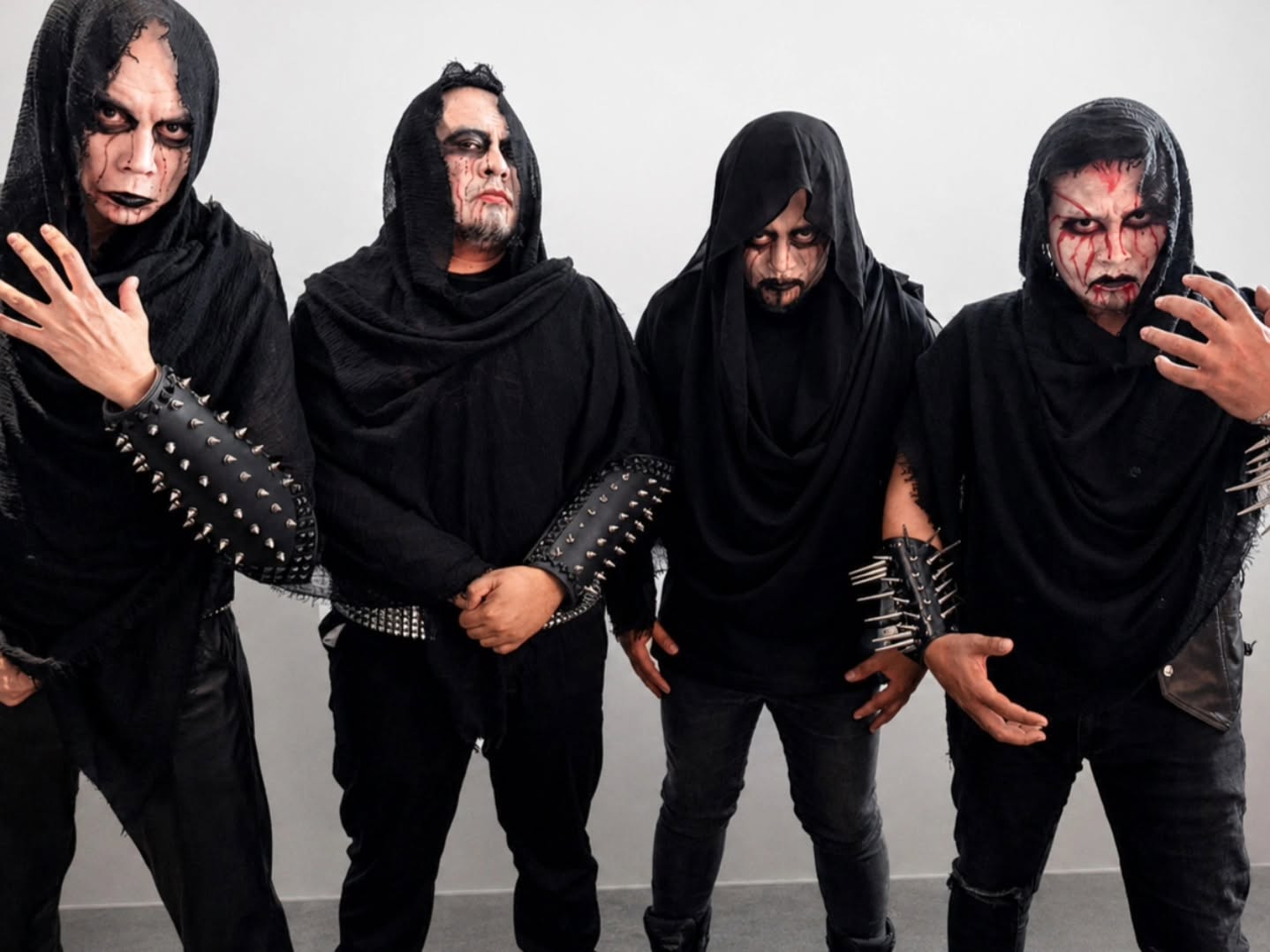
Nerraka has gone through different phases since its early days. What led to the most recent shift in sound and lyrical direction?
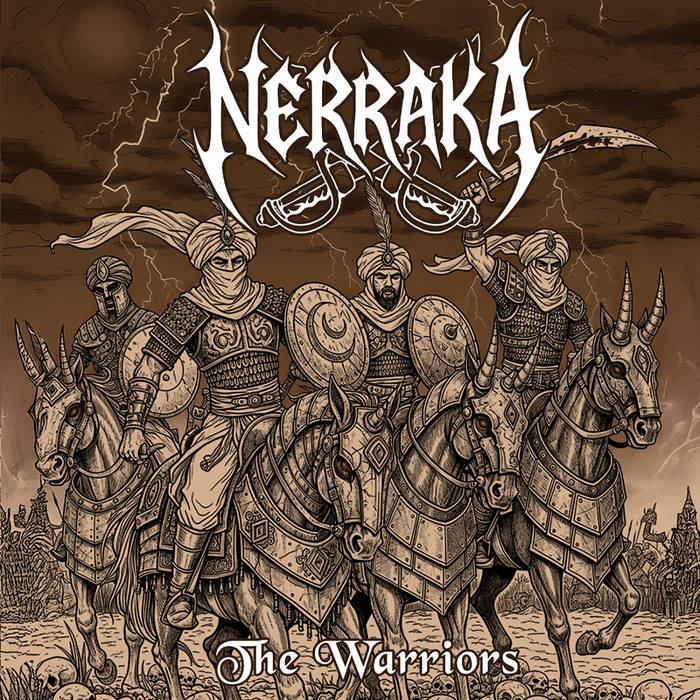
When Nerraka first started, we played a more traditional Asian Black Metal style, and the lyrics revolved around the usual themes like Satan, demons, and the occult. After we came back in 2019, I felt it was time for a change.
At that point, I was already playing with Majusiah, so I wanted Nerraka to have its own identity instead of sounding too similar to my other projects. I started bringing more Death Metal influences into the music because I enjoy both Black Metal and Death Metal. Actually, I listen to everything from Heavy Metal and Thrash Metal to Power Metal as well.
The lyrical direction evolved together with the music. We moved away from the traditional occult themes and started focusing more on Middle Eastern and Eastern history, mythology, and warfare, which felt like a better fit for the sound we were creating.
Do you see Nerraka today as a continuation of its original identity or something fundamentally different?
I see it as a bit of both. At its core, Nerraka still carries its original identity with its old-school Asian Black Metal roots, but at the same time it’s evolved into something that also embraces Black/Death Metal.
If you’ve listened to our releases over the years, you’ll notice that no two releases sound exactly the same, and that’s intentional. I don’t want to keep writing the same album over and over again. I want each release to have its own character while still sounding like Nerraka.
After all this time running both a band and a label, what still keeps you active in the scene?
The biggest motivation is the support I get from my family, my friends, and the many non-judgemental metalheads who appreciate what I do for the scene, whether it’s something big or something small. Knowing that there are people who genuinely enjoy the gigs, support the releases, or simply appreciate the effort makes it all worthwhile.
At the end of the day, I’m just doing what I love. As long as there are still bands to support, music to release, and shows to organise, I’ll keep doing my part for the scene.
Thank you, Armin, on behalf of VM-Underground and our readers for your time! Any last words for Brother Darkness?
I’d just like to say don’t judge a person or a band before you actually get to know them. A lot of misconceptions come from appearances or assumptions. At the end of the day, music should be something that brings people together. It’s a passion, a hobby, and something to enjoy, not something that fills your life with negativity. Just take it easy and enjoy the metal.
Lastly, a huge thank you to my brother Deen from VM-Underground for taking the time to do this interview and for always supporting both HellThrone and myself over the years. Your passion and dedication to the underground metal scene is something I truly respect. Cheers, brother!