Romantic Black Metal. The phrase itself sounds almost like a paradox. Black Metal is supposed to be the antithesis of romance: cold, feral, suffocating. It is the language of desolation, of ash-filled skies and cavernous voids. Where could romance possibly dwell in such a place?
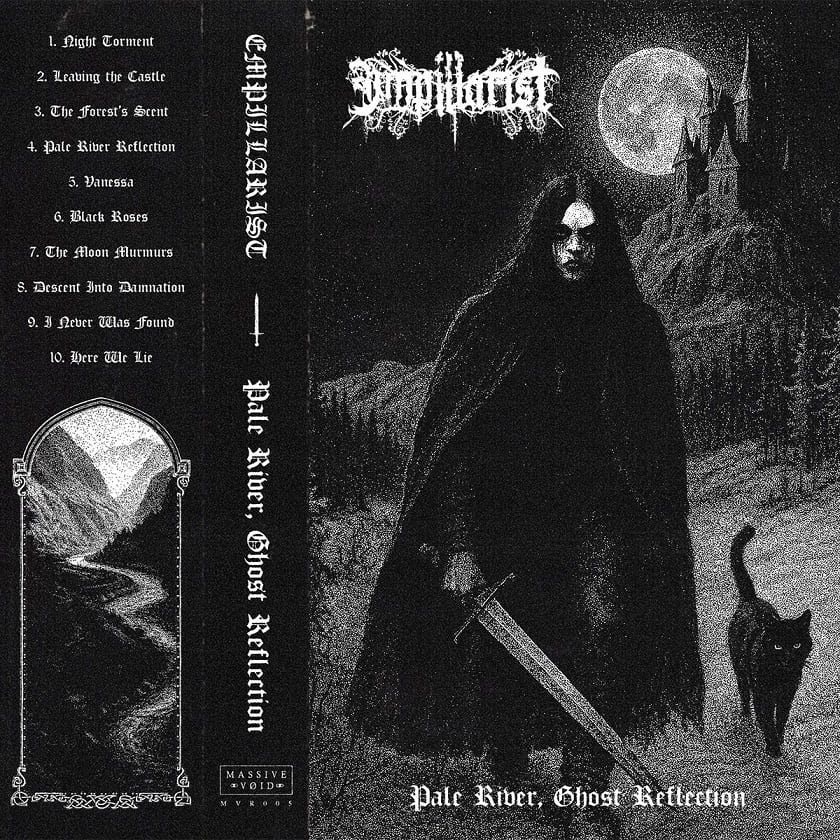
And yet, Empillarist — the work of Chilean musician Errant Grief — insists on the label. Not romance in the trivial sense of roses and love songs, but romance in its older, darker guise: the Romanticism of the 19th century, where feeling eclipsed reason, and where the human soul was dwarfed before the sublime terror of nature. Storms, mountains, shadows, and longing for the unreachable — these are the forces that animate his art.
From the very beginning, one instrument betrays his intent: the piano. Not polished, not grandiose, but ghostlike and subterranean, it cuts across the shrieks and tremolo riffs with an unsettling gravity. It is less ornament than presence, a shadow dragging its fingers through the violence, reminding us that beneath all rage lies a well of sorrow.
This dialogue between ferocity and melancholy defines Errant Grief. Where most Black Metal bands push keyboards toward the symphonic and the majestic, he instead lets the piano haunt the music with venom and restraint. It does not uplift — it clings, it seeps, it strangles. And just when the chaos reaches its peak, the storm parts to reveal acoustic guitar passages — ancient, earthy, conjuring the aura of Bathory’s ‘Blood Fire Death’. These moments feel less like reprieve and more like echoes from an older world, where myth and tragedy were inseparable.
The roots of the second wave are evident: the frostbitten primitivism of Darkthrone, the grandeur of early Emperor. Yet Grief does not merely imitate; he reshapes. By fusing piano and acoustic textures with raw Black Metal aggression, he crafts something both venomous and mournful. A hostile romanticism. A music that stares both backward and forward, faithful to tradition yet restless to exceed it.
Errant Grief exists in tension: between beauty and ruin, melancholy and rage, the past and what lies beyond. It is music that refuses to resolve, that thrives in contradiction. And perhaps that is the most Romantic gesture of all.